-

-
« Photogallery21/11/08 To save a mother for a child
Фото: Simon Crofts, UK
In order for children to develop a capacity for love, they must feel it on their own skin during childhood
-
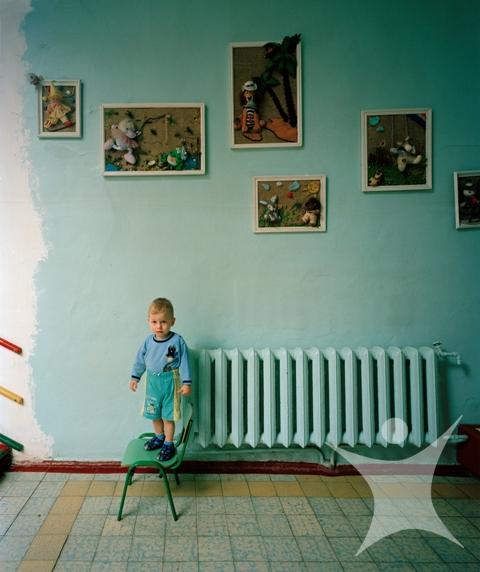
 An institutional environment is quite different from real life. The personnel wear white gowns and work to a regulated timetable, and therefore don’t show the children a style of behaviour that they can imitate…
 -
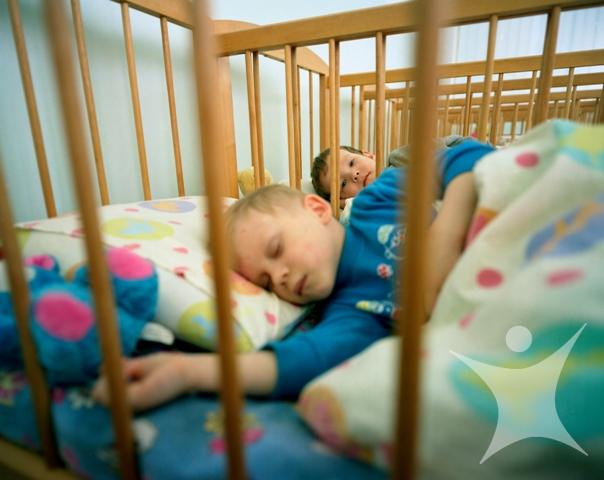
 The children suffer from insufficient contact with people. The staff works in shifts, which doesn’t give children a chance to develop a stable relationship with one person.
 -
 «We have enough toys. Just the same as children in families have. The problem is that the personnel have limited time and resources and cannot play with every single child, and help each one in their intellectual development».
 -
 EveryChild Ukraine trains social workers to provide emotional and practical support to get children living in institutions back into safe, secure and loving families.
 -
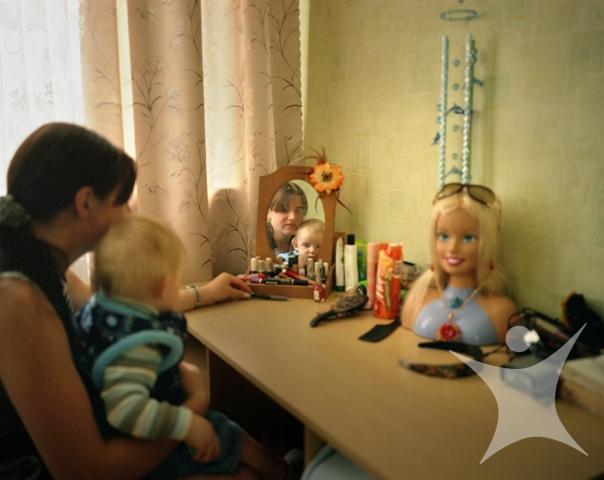
 Single mothers, like multi-children families, face the conflicting priorities of looking after their children while trying to support them financially in the current economic state in Ukraine.
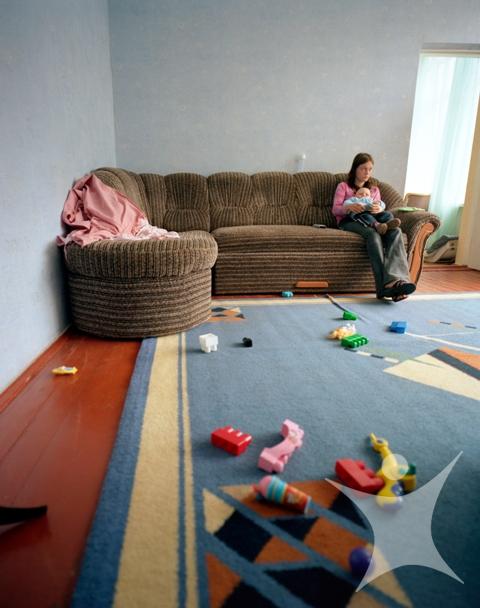
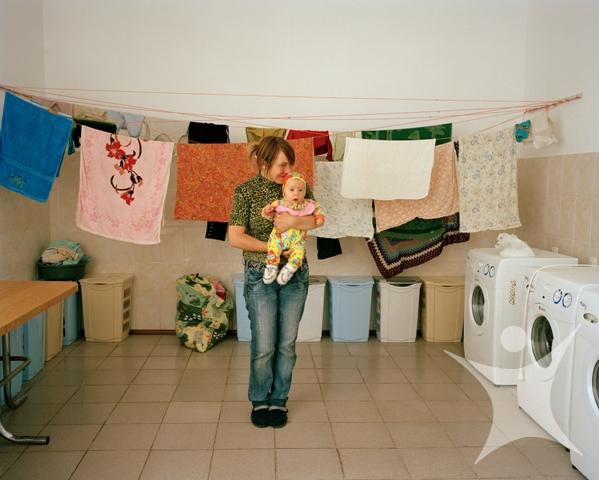
To prepare at least a temporary respite and a place of sanctuary from domestic abuse, a network of “Mother and Baby” units are being created where mothers can stay with their child for up to 1,5 years, but few single mothers are yet aware of their existence.
Single mothers, like multi-children families, face the conflicting priorities of looking after their children while trying to support them financially in the current economic state in Ukraine.
To prepare at least a temporary respite and a place of sanctuary from domestic abuse, a network of “Mother and Baby” units are being created where mothers can stay with their child for up to 1,5 years, but few single mothers are yet aware of their existence. -
 “I had the choice, but didn’t want to terminate the pregnancy. I was already 28. The father of the child tried to insist on an abortion because he
wanted to have a child with another woman, not with me. Now I am very glad that I have Vlada – she is the meaning of my life.” – Svetlana, client of the Mother and baby Unit in Fastiv
“I had the choice, but didn’t want to terminate the pregnancy. I was already 28. The father of the child tried to insist on an abortion because he
wanted to have a child with another woman, not with me. Now I am very glad that I have Vlada – she is the meaning of my life.” – Svetlana, client of the Mother and baby Unit in Fastiv -
 EveryChild Ukraine demonstrates that social work intervention at a crisis point in life of vulnerable pregnant women can produce better outcomes for both them and their children. We organize information campaigns to promote the accessibility of newly established services
 -
 Anya grew up in an orphanage. Her aunt sold the plot of land which her parents had left her without telling her. After the birth of Serguei, Anya
stayed in hospital, as her son was born with a diagnosis of [DTsP]. When she came to the Mother and Baby Home she cried and was afraid.
“I don’t have any family. Therefore the only person close to me is my child, and I love him dearly. Because of him I am ready to go for new
opportunities. I don’t want my child to want for anything.”
Anya grew up in an orphanage. Her aunt sold the plot of land which her parents had left her without telling her. After the birth of Serguei, Anya
stayed in hospital, as her son was born with a diagnosis of [DTsP]. When she came to the Mother and Baby Home she cried and was afraid.
“I don’t have any family. Therefore the only person close to me is my child, and I love him dearly. Because of him I am ready to go for new
opportunities. I don’t want my child to want for anything.” -
 Svetlana came from a multi-children family and worked as a milkmaid. When she became pregnant, her cohabitant wouldn’t acknowledge his
fatherhood so she went to Kiev to look for work. She settled in the “Lakomka” sweet factory and rented a flat. When she gave birth to her daughter
she returned to her parents, but it was completely impossible to live in the house. Her sisters and father were all alcoholics, and conditions at home
were wretched, so she left for the Mother and Baby Home. Svetlana dreams of owning her own plot of land with a house, and an independent, selfsufficient
life.
Svetlana came from a multi-children family and worked as a milkmaid. When she became pregnant, her cohabitant wouldn’t acknowledge his
fatherhood so she went to Kiev to look for work. She settled in the “Lakomka” sweet factory and rented a flat. When she gave birth to her daughter
she returned to her parents, but it was completely impossible to live in the house. Her sisters and father were all alcoholics, and conditions at home
were wretched, so she left for the Mother and Baby Home. Svetlana dreams of owning her own plot of land with a house, and an independent, selfsufficient
life. -
 24 years Olga is hoping to get her elder daughter back to family from the Baby Home, Mother and Baby Unit, Fastiv, Kyiv region
 -
 Social workers, trained by EveryChild Ukraine, assess individual and family needs to identify the support required to prevent a child being admitted to institutional care.
 -
 In order for children to develop a capacity for love,
they must feel it on their own skin during childhood
In order for children to develop a capacity for love,
they must feel it on their own skin during childhood -
 The difference between the tear and the smile on
a child’s face or on the anxious mother’s face
might emerge from a very small detail – like a
sincere discussion and handshake or a timely
professional intervention
The difference between the tear and the smile on
a child’s face or on the anxious mother’s face
might emerge from a very small detail – like a
sincere discussion and handshake or a timely
professional intervention
-